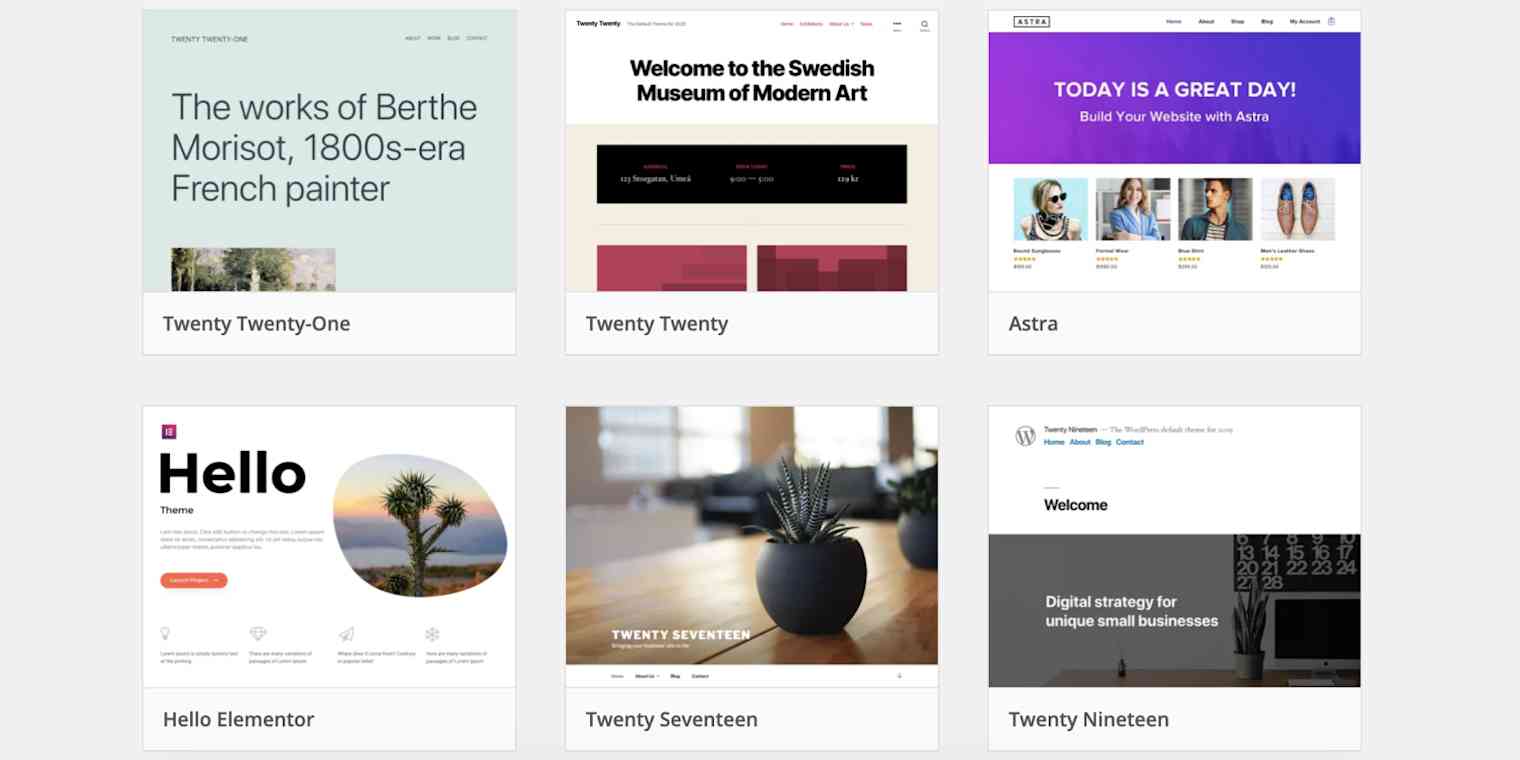
Top 10 Design Trends to Elevate Your Website's Style
As we delve into 2023, the realm of web design is experiencing a significant evolution. To elevate your website's style, embracing the latest design trends can make a remarkable difference. Here are the top 10 design trends you should consider:
- Minimalistic Design – Less is often more, and a clean, uncluttered interface helps users focus on essential content.
- Bold Typography – Large, eye-catching fonts can convey your brand’s personality and draw attention to important messages.
- Dark Mode – This trendy design feature reduces eye strain and can enhance readability.
- Micro-Interactions – Subtle animations create engaging user experiences and can guide visitors through your site.
- Asymmetrical Layouts – Break away from traditional grids to create a visually interesting design that captures attention.
- Video Backgrounds – Using dynamic video backgrounds can add depth and engage users right from the homepage.
- Custom Illustrations – Unique illustrations can help convey your brand's story and set a distinctive tone.
- Soft Shadows – Adding depth to flat designs through soft shadows can enhance visual interest.
- Responsive Design – Ensure your website looks impeccable on all devices, as mobile browsing continues to rise.
- Sustainability Features – Eco-friendly design trends resonate with users who value conscious consumption.
How to Choose the Perfect Color Palette for Your Website
Choosing the perfect color palette for your website is essential for creating an engaging user experience. Start by understanding your brand identity and target audience. Consider using a color wheel to explore complementary and analogous colors that resonate with your brand. Aim for a primary color that reflects the overall tone of your website, complemented by a few secondary colors that add depth and diversity. Remember, colors evoke emotions; for instance, blue often conveys trust, while red can signify excitement.
Once you have a few colors in mind, test them with real users through A/B testing or gather feedback to see how they perceive your color choices. Additionally, ensure that your chosen palette maintains good contrast for readability and accessibility. A well-designed color palette should not only align with your content but also enhance overall usability. Consider tools like Adobe Color or Coolors to generate and refine your palette, making your website visually appealing while effectively communicating your message.
5 Essential Tips for Creating a Stylish and User-Friendly Website
Creating a stylish and user-friendly website involves a harmonious blend of aesthetics and functionality. To start, choose a clean and modern design that reflects your brand’s identity. Pay attention to your color palette—select colors that convey the right emotions and are easy on the eyes. Additionally, make use of white space to enhance readability and allow your content to breathe, ensuring that users can navigate through your website without feeling overwhelmed.
Next, focus on responsive design. With a growing number of users accessing websites from mobile devices, it's crucial that your site adapts to various screen sizes. Use intuitive navigation that allows users to find information quickly. Consider implementing clear calls-to-action that guide visitors in the desired direction, whether it's signing up for a newsletter or making a purchase. Lastly, regularly test your website’s functionality and load speed, as these factors greatly influence user experience and retention.