How Wearable Tech is Revolutionizing Personal Health Monitoring
Wearable technology is transforming the landscape of personal health monitoring by offering innovative solutions that enable individuals to take charge of their wellness. Devices like fitness trackers and smartwatches are equipped with advanced sensors that collect real-time data on various health metrics, such as heart rate, sleep patterns, and physical activity levels. According to a report by Statista, the wearable tech market is expected to grow significantly, highlighting its increasing prominence in everyday health management. These tools not only provide insights into users' health but also empower them to make informed decisions regarding their lifestyle, ultimately leading to improved health outcomes.
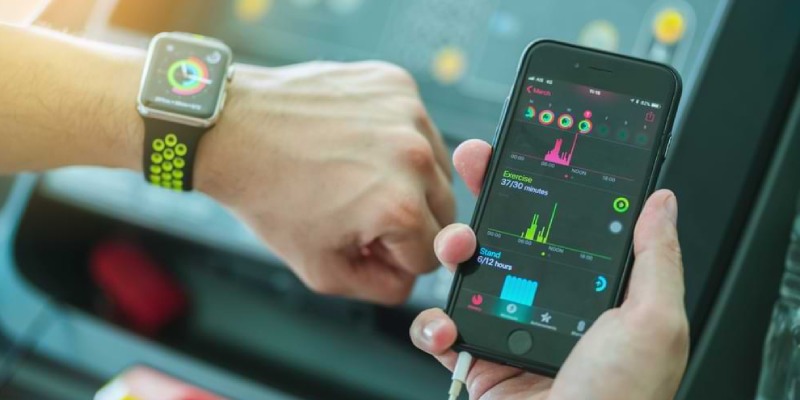
Moreover, the integration of wearable technology with mobile applications has paved the way for a more personalized health monitoring experience. Users can easily track their progress and set health goals through intuitive interfaces, while apps often offer features like reminders and goal-setting tools to encourage adherence. As noted by the National Institutes of Health, this level of engagement and accessibility fosters greater accountability and awareness. With this ongoing evolution, wearable tech is not just a trend but rather a significant advancement in modern healthcare.
The Top 5 Wearable Devices You Need for a Healthier Lifestyle
In today's fast-paced world, wearable devices have revolutionized how we monitor and improve our health. With a plethora of options available, choosing the right device can be overwhelming. Here's a curated list of the top 5 wearable devices that can assist you in leading a healthier lifestyle:
- Apple Watch Series 8 - Known for its advanced health tracking features, including heart rate monitoring and ECG capabilities, the Apple Watch Series 8 also encourages daily activity through its fitness reminders. For more on its features, visit Apple's official site.
- Fitbit Charge 5 - A versatile fitness tracker that offers comprehensive insights into your physical activity, sleep patterns, and stress levels. Its real-time heart rate monitor helps users stay informed about their cardiovascular health. Check out Fitbit's page for additional details.
- Garmin Venu 2 - This smartwatch is perfect for fitness enthusiasts, featuring built-in GPS and various sports modes. The Garmin Venu 2 also provides health metrics, including VO2 max estimation. Discover more at Garmin's official site.
Continuing with our top picks, here are the final two devices worth considering:
- Whoop Strap 3.0 - Unlike traditional fitness trackers, the Whoop Strap focuses on recovery and performance optimization, offering insights into strain and sleep quality. Learn more about its unique approach at Whoop's official website.
- Samsung Galaxy Watch Active 2 - A stylish smartwatch that combines fitness tracking and smart features. With its excellent heart rate monitor and fitness coaching, it's a fantastic option for maintaining a balanced lifestyle. For further information, visit Samsung's site.
Investing in these wearable devices can significantly enhance your journey toward a healthier lifestyle. With their innovative features and user-friendly interfaces, they serve as valuable companions in tracking your health and fitness goals.
Can Wearable Technology Improve Your Fitness Goals?
Wearable technology, such as fitness trackers and smartwatches, has revolutionized how individuals approach their fitness goals. These devices offer a range of features, including heart rate monitoring, step counting, and sleep tracking, which allow users to gain insights into their health metrics. By providing real-time data, wearables enable users to set more realistic and achievable objectives. For instance, a fitness tracker can help users determine their daily activity levels and adjust their routines for optimal performance.
Moreover, wearable technology can motivate individuals to stay on track with their fitness goals. Many devices include social features, enabling users to connect with friends and join challenges that foster a sense of community and competition. Additionally, numerous studies suggest that individuals who utilize wearable technology are more likely to maintain their exercise habits in the long run, leading to consistent results. To explore more about how these devices drive success, check out this Forbes article that delves into the psychological benefits of tracking progress.